















Practice Good Hair Hygiene:
We may love to use hair dryers, curling irons and straighteners, but these heating tools cause the water under the cuticle (the outermost layer of hair) to form bubbles, which stress and break the hair.
The “tiles” covering the middle and inner hair shaft then dislodge, so your hair handles water like a roof with holes in it. To minimize damage when heat styling, first blot soaking-wet hair with a towel, and then follow that up with a low-heat hair dry.
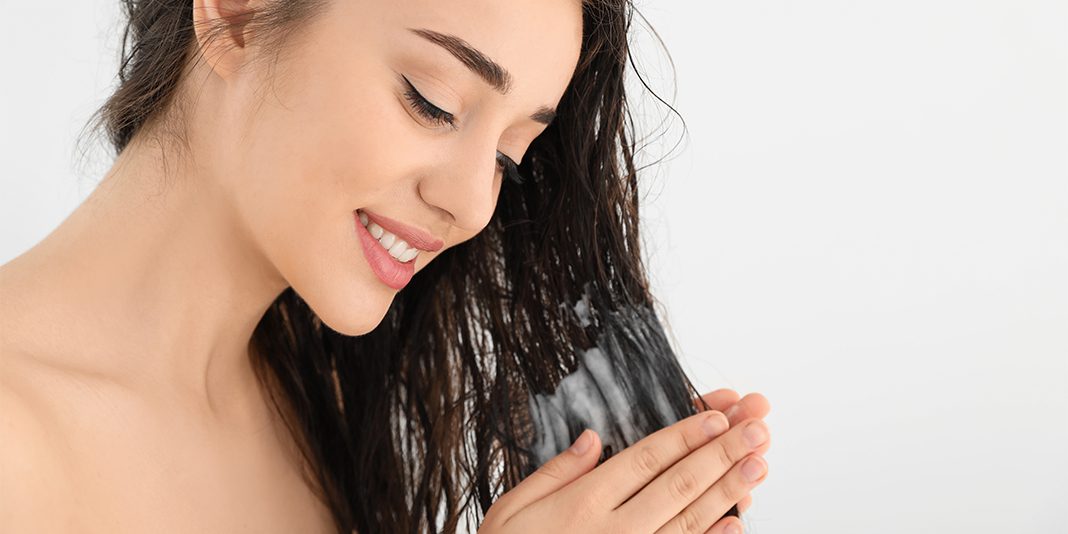
Your hair is most vulnerable when it’s wet. Like a silk blouse, you shouldn’t iron it or heat it to extremes. It’s best to use a brush with smooth or rounded bristles. This will massage the hair and scalp without damaging it.
We know that changing your hair color can make you feel better and healthier. Just be mindful of over-dyeing or over-washing your hair. In trying to be your most attractive self, you could end up causing more damage than beauty.
QUIZ: Do You Practice Good Hair Hygiene?
Examine Your Shampoo:
There isn’t one right answer to how often we should wash our hair. There are a ton of factors to consider when answering this question. How often do you engage in physical activity and use styling products? What’s your hair type like?
If you find your hair is too dry after your daily wash, try every other day or every third day. Or shampoo daily, but use a heavier conditioner. If you have dandruff, it is advisable to wash daily. Frequent washing can reduce the food source (sebaceous lipids) for the organism—malassezia—which causes dandruff.
Remember, just because a shampoo label says “natural” doesn’t mean it’s better (cyanide is natural).
Stay Pure:
You should shower and bathe with toxin-free water. Remove unwanted chlorine in your water supply by adding a charcoal filter to your showerhead or faucet.
Chlorine dries out hair as well as skin, which is especially important if you take extended showers or baths as opposed to a quick rinse. It’s not the straight chlorine that’s the problem, but what it turns into—more harmful toxins called trichloromethanes.

Check Your Diet:
We’re not recommending you scrub your scalp with salmon. However, the omega-3 fatty acids in fish, distilled fish oils or DHA supplements from algae are the primary nutrition component that makes hair shinier.
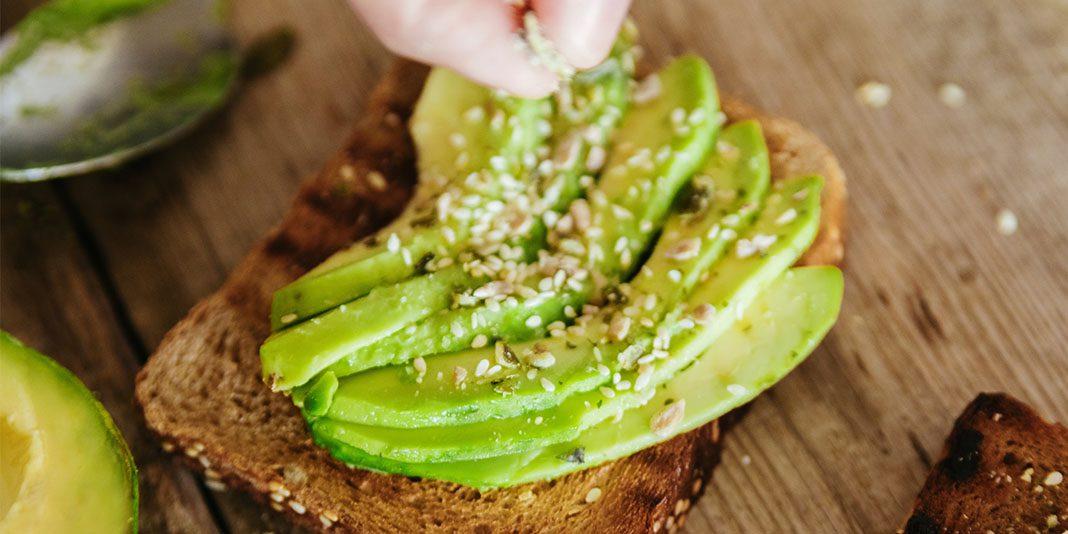
Other good hair foods: walnuts, flaxseed, avocados, sardines, eggs, skim milk and green tea. There is a connection between balding and consuming animal fat. Red meat and high-fat diets can increase DHT production, damaging hair follicles.
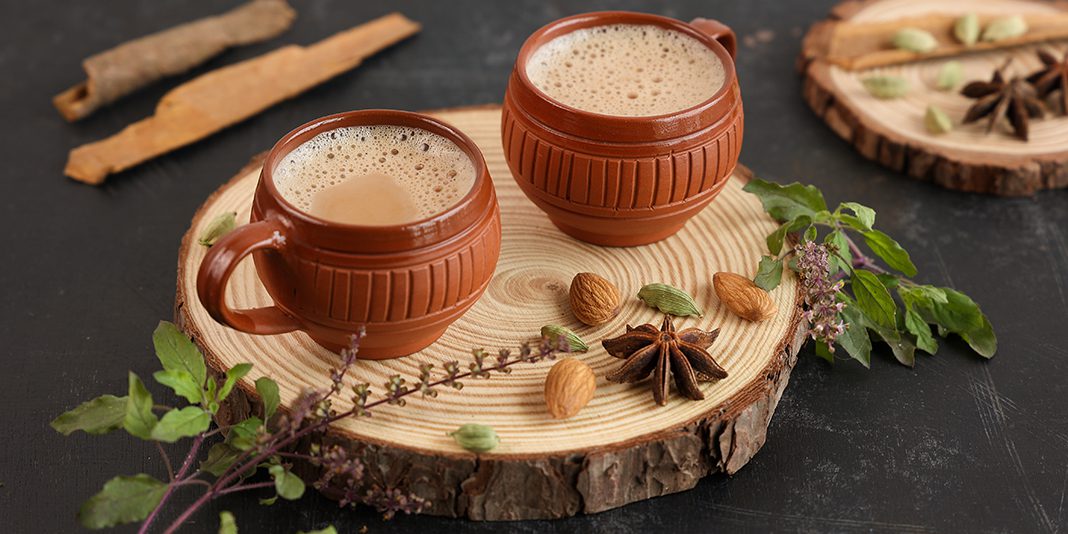
Make caffeine your vice instead—it has been shown to actually decrease DHT levels via a series of reactions. Green tea can also help slow baldness via decreased DHT production.
If you have pets you’ll notice that the better you feed them, the better their coats look.There’s no hard science that eating better will give your hair the perfect softness and shine, but it can’t hurt!
Check Hormone Levels:
If you lose hair in clumps or experience sudden hair loss, it could be a sign of hormone imbalance. It’s better to treat the problem (like thyroid disease), as opposed to the symptom. So see your doctor for a blood test ASAP.
STUDY: Hair Loss Can Signal Health Problems
Vitamins:
The B group includes the most important vitamins for hair loss. This includes B6, biotin and folate for slowing loss, and pantothenic acid and niacin for promoting hair growth.
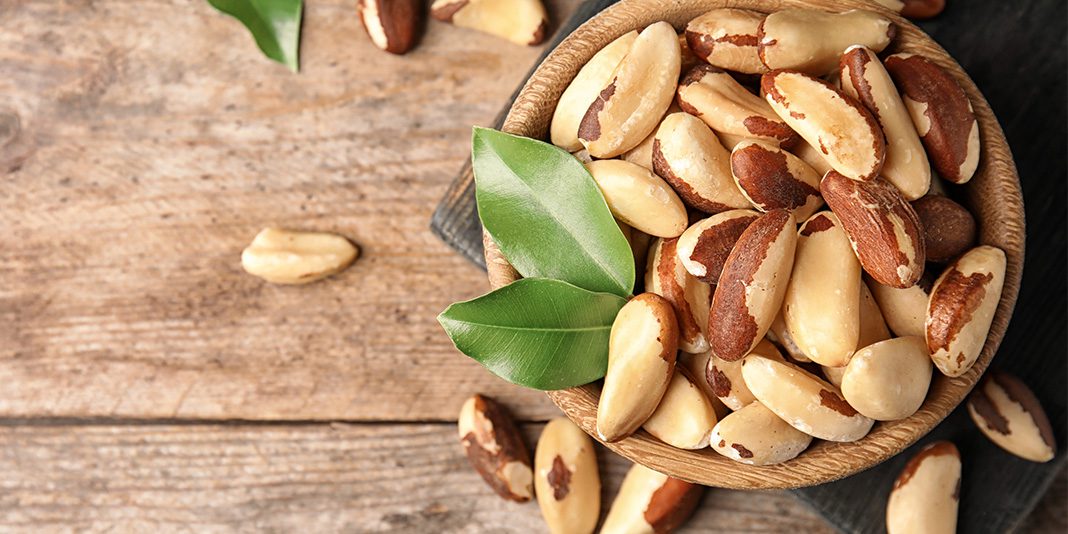
You can get B vitamins by eating foods such as beans, peas, carrots, cauliflower, soybeans, bran, nuts and eggs. Phew, what a list!
Supplements:
Did you know that the extract of berries from the saw palmetto shrub may slow hair loss and promote hair growth (by preventing follicle-killing DHT from binding to receptor sites at the hair follicles)? The same goes for the oil in avocados.
However, these supplements are controversial. There are few studies showing their effectiveness. There’s some evidence that the amino acid L-lysine can help hair grow thicker, in dosages of 500 to 1,000 mg.
This hasn’t been tested in humans, but sheep coats grew thicker with L-lysine. Also in animals, pepper has been shown to destroy the hair loss enzyme. Look out for a new generation of pepper-infused shampoos.
MORE: Restaurant Meals for Healthier Hair
Know How to Dye:
Some hair dye ingredients may still be a concern outside of the U.S., if they contain lead—which can cause neurological damage. It will take several decades to know if the hair dye we currently use will produce long-term side effects. After lobbying in the 1930s, hair dye manufacturers were only forced to print warnings on labels for skin and eye irritation.
In the late 1970s, the FDA proposed a warning linked to products with two coal tar ingredients: 4-methoxy-m-phenylenediamine (4-MMPD) or its sulfate cousin (never implemented). Professional colorists can decrease potential toxin exposure. If you’re going to dye your own hair, follow this advice:
- Don’t leave the dye on your head longer than required. Rinse your scalp thoroughly afterward.
- Wear gloves when applying the dye. Nitrile gloves offer the best protection against chemicals. Carefully follow the directions on the box.
- No matter how creative you’re feeling, do not become a home chemist and mix different hair dye products. You never know what will happen!