
































If you’ve been diagnosed with colon cancer, staying well nourished will help you achieve the best results in treatment.
While achieving and maintaining a healthy weight is an important post-treatment goal, during therapy is not the time to shed pounds. Losing even five percent of your body weight at this time can reduce how well you respond to therapy and decrease your likelihood of survival. Granted, keeping on the weight isn’t always easy, given that cancer treatments can wreak havoc on your appetite.
Wow Fact
Make a delicious, homemade vegetable soup for lunch — it will go down easily, help keep you hydrated and can pack in plenty of nutrition in a small serving. If you aren’t able to cook for yourself, ask friends or family for help in making a batch — then freeze it in single-serving containers so you can just microwave each meal as you need it.
One of the critical reasons to keep your calorie intake at adequate levels is so the liver can produce albumin. One of the jobs of albumin is to carry drugs around the body. If levels drop, your body may not get the medication it needs.
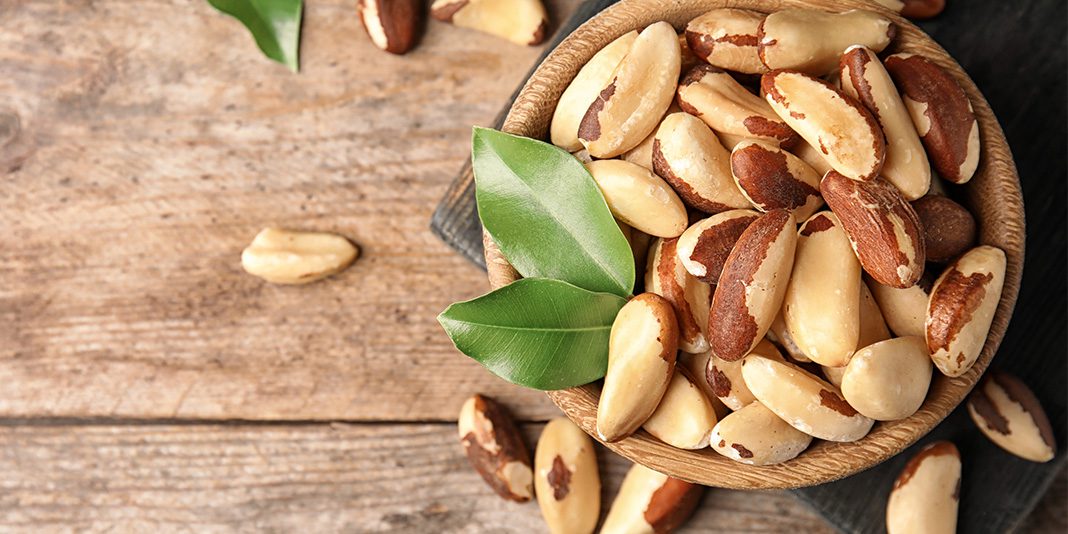
Good foods to focus on include fish, eggs, nuts, dairy and soy products, as well as beans and legumes, advises Amanda Saldivar, MS, RD, LD, a dietitian at the Digestive Disease Institute at the Cleveland Clinic. Protein-rich foods such as these will help your liver produce albumin.
Don’t Let Side Effects Sideline You
Let’s face it: Cancer treatment makes it hard to eat well. Here’s how to address some of the most common side affects of cancer treatment and to keep your body in fighting shape as you undergo therapy.
QUIZ: What’s Your Eating Style?
Problem #1, Diarrhea: Radiation can cause inflammation and irritation in the lining of the intestine, which can trigger diarrhea. In addition to being unpleasant, it puts you at risk for dehydration. Keep your gut in check by:
- Cutting back on foods such as whole wheat, apple peels, chickpeas, beans, lentils and seeds, which are high in insoluble fiber and can irritate your colon. Insoluble fiber comes out the same way it went in (think corn), pushing waste out with it. Things are moving too fast in your gut as it is, so you don’t need any help in that department.
- Upping your intake of soluble fiber, which absorbs fluid in your gut and forms a gummy paste, making your stool more solid. Good sources: plain oatmeal, ripe bananas, applesauce and citrus fruit. However, most foods that have soluble fiber also have some insoluble fiber as well, so a dissolvable fiber supplement (for instance, Benefiber or Metamucil) may be of help to you to help bind the stool.
Problem #2, Nausea: Some of the drugs used in colon cancer treatment can set off a series of reactions in your brain, ultimately triggering the section that controls nausea and vomiting. Along with taking your anti-nausea medications (hint: your doctor gave them to you for a reason), use these tactics to combat that queasy feeling:
- Stay away from greasy foods, which cause the stomach to work harder, and spicy foods, which can irritate the stomach and cause nausea.
- Try to eat five to six mini-meals per day instead of three big ones; they’ll be easier to digest and more appealing when you’re nauseated and don’t feel like eating.
- Drink up! You throw up fluids as well as food, which can lead to dehydration. Since chemo sometimes changes the way things taste, switching to something like seltzer, ginger ale or diluted fruit juice can help.
Problem #3, Neuropathy: You may experience pain, numbness, tingling, swelling and muscle weakness (“neuropathy”) as a result of one of the common colon-cancer-fighting drugs, oxaliplatin. Hands and feet are most often affected, but you may also sense it in your mouth and throat, which can make eating, chewing and swallowing difficult. Avoid very cold food, which can exacerbate the tingling feeling in the throat. And if neuropathy is making it difficult to stand on your feet to buy and prepare food, ask family and friends to help you shop and make healthy meals.
Problem #4, Colostomy: Often, colon cancer treatment involves removal of the diseased section of the large intestine. Sometimes before the two healthy ends are reattached, a colostomy — the rerouting of waste through an opening in your abdomen (kind of like a detour on a highway under construction) — is necessary to give the colon time to heal.
For the first six to eight weeks, patients with colostomies will have very liquid stool (the waste is now bypassing the portion of the intestine where liquids and electrolytes used to be reabsorbed). Avoid insoluble fibers, consume more soluble fibers and make sure to drink 8 to 12 glasses of fluids per day. If you’ve had an ileostomy (where the entire colon is bypassed and the waste is diverted out through the small intestine), you’ll need even more fluids. After your intestine adapts, you’ll be able to go back to a normal diet.
MORE: Mind-Body Therapy for Cancer Treatment
Guard Against Recurrence
Once you’ve made it successfully through treatment, eating healthfully remains a priority. A study published in the Journal of the American Medical Association found that those who ate healthfully during and after treatment were less likely to have a recurrence. Researchers found patients who had a diet high in red and processed meats, fat, refined grains and sugary desserts were three times more likely to see cancer rear its ugly head again than those who followed a healthier meal plan.
Focus on including lean proteins (like seafood), whole grains, beans and other legumes, and plenty of fruits and vegetables in your diet so you can enjoy the rest of your life in good health. Saldivar also recommends working with a registered dietitian (RD) to help determine a healthy eating plan, which will make sure you get enough calories, help you deal with treatment side effects and help reduce recurrence.
—by Leslie Pepper