Beauty
Love
Fitness
Celebs
Style
Nutrition
Life
Search
YouBeauty
Beauty
Beauty
Saltair Provides High-Performing Body Care with Skin-Loving Components
Beauty
Self Tanners to Give a Natural Summer Glow
Beauty
4 Steps to a Soothing Nighttime Skincare Regimen
Beauty
Look Blurred IRL with These Pore-Focused Products
Beauty
Tips to Eliminate Foundation in Your Makeup Regimen
Love
Love
Learning to Love Your Reflection
Love
Tips for Connecting with Your Community
Love
Planning a Wedding While Maintaining Financial Wellness
Love
Considerations for Fostering a Pet
Love
Supporting Someone as They Make a Life Change
Fitness
Fitness
Best Sunrise Alarm Clocks for Your Nightstand
Fitness
The Importance of a Post-Workout Beauty Routine
Fitness
The Best Excercise For Your Health
Fitness
Sleep Routine Ideas for Better Sleep
Fitness
How To Identify and Treat a Yeast Infection
Celebs
Celebs
Is Jennifer Aniston’s Brand, Lolavie, Worth The Price?
Celebs
Should You Get Bangs?
Celebs
Celebrities Who Hated Their Famous Roles
Celebs
Celebrity Breakups That Broke Our Hearts
Celebs
Celebrities You Probably Didn’t Know Were Dating
Style
Style
Are Tubing Mascaras the Answer to a Smudge-Free Look?
Style
Accessible Jewelry Staples Worth the Investment
Style
Is Micro-Concealing the Secret to a Flawless Makeup Application?
Style
Welcome the Monsoon with Dae Haircare
Style
Why TikTok is Influencing Beauty Lovers to try Pink Under Eyes
Nutrition
Nutrition
Everything You Need to Know About Wooden Spoon Herbs
Nutrition
Foods That Can Cause Acne
Nutrition
Foods You Didn’t Know Help Your Skin
Nutrition
How Does Coffee Affect Your Skin?
Nutrition
6 Super Foods To Add To Your Eating Routine
Life
Life
5 Summer Pieces From Amazon We Are LIVING For Right Now
Life
What Does Cruelty-Free Mean?
Life
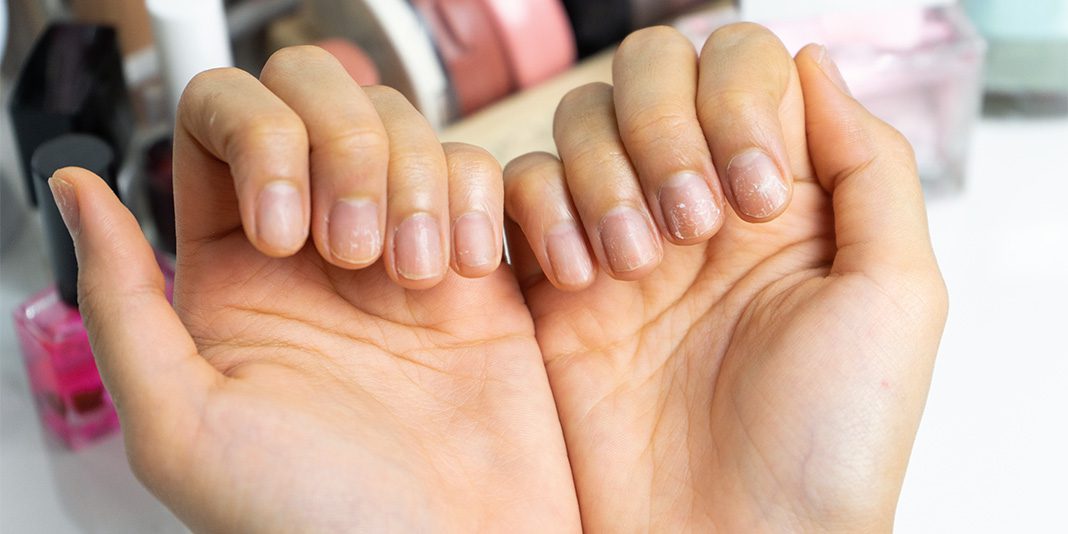
Say Goodbye to Brittle Nails
Life
How To Declutter Your Life
Life
Low-Stress Hobbies to Combat Burnout
How To Eat Heart Healthy Foods
How to Feed Your Family Superfoods
How To Avoid Money Conflicts In Marriage
LATEST
Saltair Provides High-Performing Body Care with Skin-Loving Components
Beauty
September 11, 2023
Self Tanners to Give a Natural Summer Glow
Beauty
August 28, 2023
4 Steps to a Soothing Nighttime Skincare Regimen
Beauty
August 25, 2023
Look Blurred IRL with These Pore-Focused Products
Beauty
August 21, 2023
Are Tubing Mascaras the Answer to a Smudge-Free Look?
Style
August 21, 2023
Tips to Eliminate Foundation in Your Makeup Regimen
Beauty
August 14, 2023
Hot Glue Eyeliner: Bring a 3D Element in Your Makeup Routine
Beauty
August 11, 2023
New & Noteworthy Lip Oils
Beauty
August 7, 2023
MORE STORIES
Beauty
Saltair Provides High-Performing Body Care with Skin-Loving Components
September 11, 2023
Saltair is one of the latest beauty brands to grace the shelves of Target. They’ve simplified body care by infusing skincare ingredients and affordability...
© YouBeauty 2024