
























 |
Fit and feeling good, Lori Rufrano, then 32, thought it was the right time to get pregnant. So did everyone else. “People asked me, ‘When are you going to have kids? What’s taking so long?'” she says. Soon she found herself asking the same question. Months after taking her last birth control pill, Rufrano, a physician in Long Island, New York, specializing in geriatric medicine, still hadn’t had a period.
Worried, she made an appointment with Avner Hershlag, M.D., a reproductive endocrinologist and chief of the Center for Human Reproduction at the North Shore-Long Island Jewish Health System. After a series of blood tests and an ultrasound, Rufrano got a diagnosis she had never suspected: polycystic ovary syndrome (PCOS), a hormone imbalance that affects up to 1 in 10 women of childbearing age.
MORE FROM SELF: The Hidden Dangers of Outsourcing Radiology
Rufrano was shocked by the diagnosis because she hadn’t had any symptoms—or so she thought. Turns out the Pill, which Rufrano had taken since her teens to help with painful ovarian cysts, had been masking the condition, temporarily resolving her cysts and regulating her period. By treating the symptoms, Rufrano thought she was fine, not realizing that she was dealing with a larger threat to her fertility and her health.
Women with PCOS may have elevated levels of male hormones, including testosterone, which prevent eggs from maturing and being released from the ovaries, Dr. Hershlag explains. Instead, eggs linger and form cysts. No healthy eggs means no periods and no babies. It may also quadruple the risk for uterine cancer, a study in Cancer Causes Control notes. If you don’t ovulate, your endometrial lining thickens, allowing cancer cells to thrive.
Up to 70 percent of women with PCOS are also insulin-resistant, which can scramble your mix of sex hormones even more. Plus, insulin resistance may increase the risk for type 2 diabetes, heart disease and—if you do manage to get pregnant— complications such as gestational diabetes and preterm labor.
More than three million women take the Pill to regulate their cycle, and many of them start in their teens. According to a recent survey by the Guttmacher Institute, one third of teens ages 15 to 19 are on the Pill solely for noncontraceptive reasons, such as cysts and missed periods. Both of these can be crucial signs of PCOS, yet doctors often fail to check for the underlying problem, says Debra Minjarez, M.D., a reproductive endocrinologist at the Colorado Center for Reproductive Medicine.
“There are so many hormonal changes during adolescence that many doctors consider these a part of normal development,” Dr. Minjarez says. “They prescribe birth control to regulate the cycle, assuming it will eventually regulate itself. But with PCOS, it doesn’t.”
This means that although PCOS usually develops during teen years, doctors often don’t spot it until women want to start a family. By then, many are racing against their biological clock. “If PCOS were caught earlier, women could be helped before their fertility becomes an issue,” Dr. Minjarez says. She would like to see doctors test teens with irregular cycles and urges women who take the Pill for cysts or skipped periods to get screened.
To make a diagnosis, doctors will consider a patient’s history of missed periods—having fewer than eight periods per year is deemed a red flag—and typically order a pelvic ultrasound to check for cysts, along with a couple of blood tests, including one that assesses glucose levels. If you’re currently on the Pill, you may need to take a six- to eight-week break to allow your hormones to return to their normal levels before you can be tested.
The Rx is pretty straightforward: To balance hormones, most docs recommend exercise; a healthful, low-carb diet; and weight loss, if necessary. Meds that regulate hormones may be needed, as well. With treatment—in some cases, it takes as little as three to six months for a woman’s period to return—the odds of conceiving are the same as for a healthy woman of the same age, says Ruth Freeman, M.D., professor of medicine and of obstetrics and gynecology at the Albert Einstein College of Medicine.
Luckily, Rufrano was already eating well and at a healthy weight. Within weeks of starting on metformin, a diabetes drug, and Clomid, a drug that stimulates the ovaries, Rufrano got her period. Although she could have tried to conceive the old-fashioned way, she felt in vitro fertilization was the best option for getting pregnant quickly.
Seven months after beginning treatment, Rufrano was pregnant with the twins she and her husband would call Natalie and Cooper. “We named Natalie after Dr. Hershlag’s daughter,” she says. “It was our way of honoring him.”
MORE FROM SELF: Scary Health Issues—Solved
Your PCOS protection plan:
Know your risk Genetics may play a role, so your chance of having PCO S is likely higher if your mother or sister has been diagnosed with the condition.
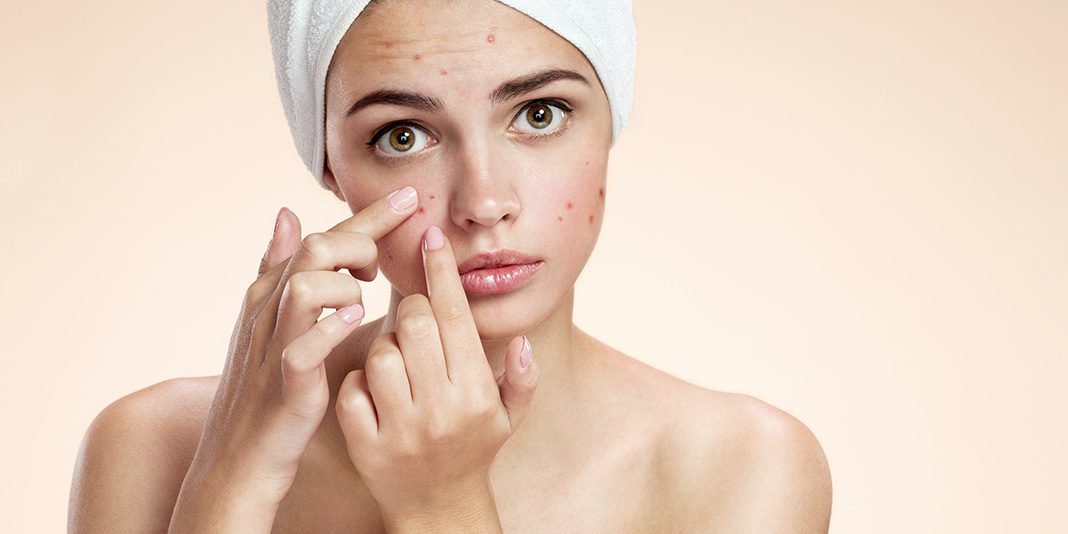
Identify the signsAlong with missed periods, infertility and unexplained weight gain, watch for symptoms of high testosterone, such as acne and unwanted hair growth on your face, chest, belly and back.
Don’t delayHealth problems associated with PCOS start early, so treatment should, too. Teens with the syndrome already showed risk factors for heart disease, a study in Fertility and Sterility found.
Stay on the pillBirth control can help stabilize hormone levels in women with PCO S. Plus, it can halve the risk for uterine cancer for all women.
More From SELF:
50 Delicious Detox Meals
How Tiffani Thiessen Lost 45 Post-Baby Pounds
20 Slimming Superfoods
For daily health tips, follow SELF on Facebook and Twitter.
Get SELF on your iPad and Kindle Fire!