






















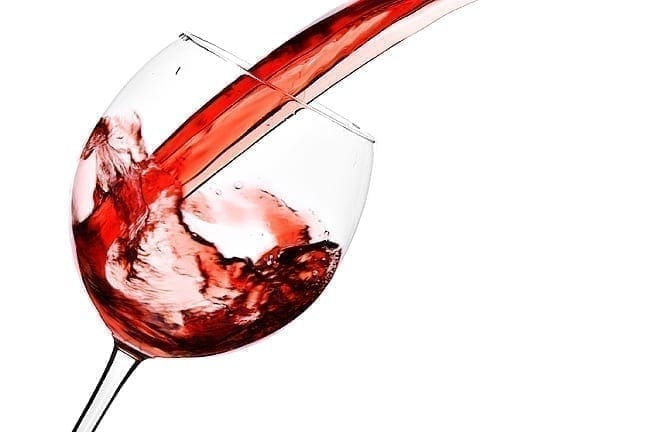
Recent headlines are ragging on red wine as an overhyped super drink, causing confusion and calling into question whether the red stuff is actually better for you than your run-of-the-mill alcoholic bevy.But before you part with your Pinot noir and give a goodbye toast to your favorite Cabernet, let’s revisit red wine’s anti-aging ingredients and what the latest evidence reveals.
Resveratrol: The antioxidant, which comes from grape skins, has been touted as having both anti-aging and heart-health benefits. The trouble is that the amount of resveratrol in a glass of wine (about one milligram’s worth) is minimal. You’d need to consume an undrinkable amount of wine to (hypothetically) activate sirtuin proteins, the proclaimed miracle workers and proteins that kick-start your metabolism and may extend your life. (Preliminary studies suggest that sirtuin proteins may be activated by resveratrol.)And now, evidence of resveratrol’s benefits is shakier than ever. Even in high concentrations, new research directly challenges the idea that resveratrol has anti-aging effects.In fruit flies, researchers couldn’t activate the sirtuin proteins with resveratrol. In worms, they saw the longevity effects disappear when controlling for other factors.
MORE: Can Antioxidant “Cocktails” Beautify You?
It turns out that the original studies weren’t so solid anyway (from a possible design flaw) and people may have gotten overexcited about the findings before there was solid evidence.Yet support for resveratrol still remains—Sitris Pharmaceuticals is still working on adapting the sirtuins to develop drugs that could prolong life.“As with many of the ‘miracle compounds’ found in foods, people tend to look at one chemical and want to take it as a supplement, separating it from the whole food matrix,” explains Kathy Arnink, viticulturist and enologist (translation: she specializes in the science, production and study of grapes and wine making) at Cornell University.“With wines, there are many different compounds that may offer health benefits,” she saysThese other compounds include plant derivatives called flavonoids. Flavonoids in food (like berries and of course, grapes) may increase antioxidant activity in your cells, helping to fight free radicals—the damaging agents in your body that can lead to heart disease and cancer.
Flavonoids: Flavonoids called anthocyanins color your wine a rich red, but evidence is needed to show how drinking them in wine could bring about direct health benefits.Some research points to polymer chains of flavonoids called “proanthocyanidins,” like condensed tannins.That tart flavor you taste when sipping red wine comes from the tannins found in the grapes’ stalks, skins and seeds. Tannins leave the mouth bitter and dry, one reason why a “tannic” wine may have sediment. Proanthocyanidins are associated with a reduced risk of heart disease. They help maintain collagen and elastin—the connective tissue proteins throughout the body that give us younger-looking, wrinkle-free skin.A study in Nature found that local wines in Sardinia, Italy, and southwestern France had up to four times as many procyanidins (a specific type of proanthocyanidins) as other wines. The people in these regions are known for their longevity, which suggests that the health benefits of wine may contribute to longer lives.
“Wine drinkers tend to have greater benefits, especially if they drink a little almost every day and do not binge drink,” says R. Curtis Ellison, M.D., director of the Institute for Lifestyle and Health at Boston University School. “For preventing Alzheimer’s disease and other types of dementia and for most of the other diseases of aging, wine seems to be even more preferable than other beverages—it’s especially better than similar amounts of ethanol [aka alcohol] from spirits—in terms of health benefits,” Dr. Ellison says.
QUIZ: How Healthy Do You Feel?
Scientists are currently measuring the breakdown of compounds in wine, to identify if the byproducts bring about some of the observed health benefits linked to wine.
The Benefits of Booze: In general, moderate alcohol drinkers enjoy heart-health benefits, presenting a case that it’s not the resveratrol or flavonoids at all, but any alcohol, even tequila. “Many chemicals, including ethanol itself, can have healthy effects on our bodies,” says Arnink. “The long-term challenge for researchers is to determine how all of these chemicals, together, improve human health.”A recent study shows that moderate drinking (one alcoholic beverage per day in midlife) boosted the chance of “successful aging” at age 70—free of cancer, heart disease or significant cognitive decline. The study also found that women who had one to two drinks a day had an even greater chance of good health, nearly 30 percent more than their non-drinking counterparts.“The most important factor is the pattern of drinking: small amounts—a drink or two—on most days of the week without binge drinking,” says Dr. Ellison.So what’s just one drink? A glass of wine for women is five ounces, equal to the alcohol content of a 12-ounce bottle of beer or a 1.5-ounce shot glass of 80-proof distilled spirits (think hard liquor).Downing four of these within two hours, which is considered binge drinking, could have the opposite health effects, putting you at a greater risk for heart disease due to increased blood pressure and triglycerides, which contribute to high cholesterol.
How Sweet It Is: Although wine, when imbibed in moderation, seems like it’s practically a health food, the beverage also contains sugar. But finding out how much sugar you’re consuming is hard to tell. Most countries don’t indicate sugar content on the label. One clue to wine’s amount of “residual sugar” is whether the wine is dry versus sweet.“During the winemaking process, yeast converts the natural sugars in the grapes into alcohol,” explains Bernard Hickin, chief winemaker at Jacob’s Creek in Australia. “The amount of sugar left in the wine after this fermentation process, called residual sugar, can vary depending on a number of factors.
Impress Your Friends Describing What you taste in Your Red
- Merlot – Earthy/Spicy: Herbaceous, tea, peppers, wild cherries, tobacco
- Cabernet Sauvignon – Herbaceous/Spicy: Tea, green olives, currants, bell peppers
- Pinot Noir – Berry/Earthy: Roast coffee, earthy, peppers, leathery, ripe cherries
- Zinfandel – Spicy/Berry: Blackberries raspberries, herbaceous, cedar, chocolate, peppers
The more residual sugar, the sweeter the wine tastes. “Higher sugar levels tend to be present in grapes grown in warm regions compared to cooler regions,” notes Hickin. “Red grape varieties are usually harvested with higher sugar levels than white grape varieties.”
If you want to cut back on sugar, sticking with drier wines rather than sweet ones (such as sweet Rieslings, dessert wines and ice wines) can help, but it’s not always so simple. To complicate things further, other factors affect sweetness, from the amount of alcohol to how much acidity a wine has. Case in point: A wine could taste dry even if it has high sugar content (up to nine grams per liter) if it’s also acidic.Here’s a breakdown of wine types and how much sugar they contain:
- Dry: 4 grams per liter, so it’s not sweet.
- Medium dry: 4-12 grams of sugar per liter—or about 0.5 to 2 grams per glass.
- Sweet: More than 45 grams of sugar per liter—or about 6 grams per glass or more.
What’s more, wine isn’t calorie-free (sigh). The standard serving size usually contains about 105 calories, which isn’t terrible when compared to a 500-calorie jumbo margarita, but if you’re watching your weight, two or more glasses can add up quickly.
Going Organic: Thinking about jumping on the organic wine bandwagon? You’re not alone. Although the definition of what’s considered “organic” varies by country, typically, it’s wine made with grapes that have been farmed without fertilizers, fungicides, pesticides and herbicides.“Organic certification in the U.S. raises some concerns for many of us in the industry, largely because the only fungicide allowed for organic certified grapes contains copper,” says Anna Mansfield, Ph.D., assistant professor of enology at Cornell University. “In dry areas or dry years, when fungal issues are low, that’s fine—but in wet years or wetter regions, this is a major concern. Copper is a toxin and hangs around in the soil for a long time, so spraying it repeatedly—or at all, really—is bad for the land, water sources, workers and consumers.”So are organic wines a healthier choice? According to Dr. Ellison, not necessarily. “While organically produced wines are good for the planet, I know of no studies showing that they are better in terms of health,” he says. “All wines have alcohol and some polyphenols, so I doubt that there would be any differences between organic and other wines.”The bottom line: If red wine isn’t your thing, there’s no need to make yourself sip it just for its health benefits. But if you love yourself some Syrah, there’s something to be said for having a guilt-free glass with dinner most nights. We’ll drink to that!