


































If you fall asleep on the wings of Lunesta or swear that Ambien works like a dream, then you’re one of millions of Americans popping sleeping pills to have a good morning.
New research suggests that sleeping pills are heavily over-prescribed, raising potential public health concerns. The study, published online in the American Journal of Public Health on June 16, found that sleep drug use far outpaces need.
Researchers examined data from the National Ambulatory Medical Care Survey, an annual, nation-wide survey of physician office visits in the U.S. The survey included approximately 28,000 office visits per year, for adult patients ages 18 and older. They looked at a 15-year period, from 1993-2007, and compared rates of sleeplessness complaints and insomnia diagnoses to actual sleep drug prescriptions.
The results were striking.In 1993, the number of sleep drug prescriptions was lower than the number of sleeplessness complaints. But by 2007, the number of sleep drug prescriptions was more than three times higher than the number of sleeplessness complaints, outpacing actual insomnia diagnoses by 13.8 million prescriptions.
A Jagged Little Pill:
Insomnia is often treated with two kinds of sedatives: benzodiazepines (BDZs), which have a high risk of dependence with long-term use, and nonbenzodiazepine sedative hypnotics (NBSHs), which have a lower risk of dependence. NBSHs include popular sleep drugs like Ambien, Sonata and Lunesta.NBSHs are advertised directly to consumers and after they hit the market in 1994, prescriptions for NBSHs grew 21 times faster than sleeplessness complaints and five times faster than insomnia diagnoses.
“Many people take them like a multivitamin—daily and indefinitely,” says Mairead Eastin Moloney, Ph.D., lead author and postdoctoral research fellow at the University of North Carolina.
That habit can have serious side effects.Long-term use of any sleep drug can lead to tolerance and addiction. On average, NBSHs offer only 12 extra minutes of sleep and side effects include driving, eating and walking during sleep, as well as short-term memory loss.
Adults over the age of 65 are more likely to have trouble sleeping due to changes in the brain and a higher rate of other medical problems, but surprisingly, they’re not getting the bulk of the sleep meds.
Instead, the study found that adults under 65 outpaced older adults on all measures of sleeplessness—complaints, diagnoses and prescriptions. The authors guess that non-biological issues were most likely at play, such as stress, ever-present technology and targeted marketing of sleep drugs.The rise of sleeplessness and sleep drug use among younger adults may be a sign that medical solutions are being used to treat normal sleeplessness.
Is Sleeplessness Really a Medical Problem?
Studies estimate that approximately 30 percent of Americans experience at least one symptom of insomnia in a given year, but only an estimated 10 percent meet the Diagnostic and Statistical Manual-IV-TR criteria for insomnia, which requires that the symptoms have persisted for at least one month and impair daytime function.
Over the study’s 15-year span, annual insomnia diagnoses increased from less than one million to 6.1 million. Prescriptions for NBSHs rose even faster, from roughly half a million in 1994 to 16.2 million in 2007, suggesting that people are taking sleep drugs for ordinary sleeplessness.
 |
Sleeplessness, unlike chronic insomnia, is a relatively normal part of human life. Whether parenting, poor sleep habits, stress or other common issues interfere with a good night’s rest, most people experience some difficulty sleeping.
The authors warn that treating ordinary sleeplessness as a medical problem “may reframe and transform ideas of physical and emotional normalcy, prompting the overuse of potentially harmful drugs.” In other words, people may be treated for problems they don’t have.
Still, sleeplessness is concerning.Sleep is incredibly important and often undervalued. (We’ll sleep when we’re dead, right?) Six to eight hours of sleep per night is essential for heart health, energy, healthy skin, good posture and weight management. It even refreshes neurotransmitters that help suppress pain. You need to catch your Z’s.
But when sleeplessness strikes, sleep aids are not the only answer. “There are natural ways to cure insomnia,” says James Maas, Ph.D., YouBeauty Sleep Expert. “For many people, insomnia is a behavioral issue.” Sleep drugs may simply be a Band-Aid for underlying stress or poor sleep habits, which when ignored, will eventually do more damage than a sleep drug can repair.
More importantly, difficulty sleeping can betray a deeper psychological issue, especially depression or anxiety. In fact, a 2007 study published in the Journal of Clinical Sleep Medicine estimated that 40 percent of insomnia patients also have a psychiatric condition, most commonly depression. In those cases, the underlying problem needs to be treated—sleeplessness is merely a symptom.
Sleeplessness Properly:
For the millions of people suffering from sleeplessness, a pill may be the only solution they’re offered.
“Most physicians aren’t educated on behavioral therapies for sleep,” says Moloney. “Many patients want the easy fix and physicians may not have many other options in their tool-kits.
However, behavioral therapies for sleeplessness are shown to be highly effective.
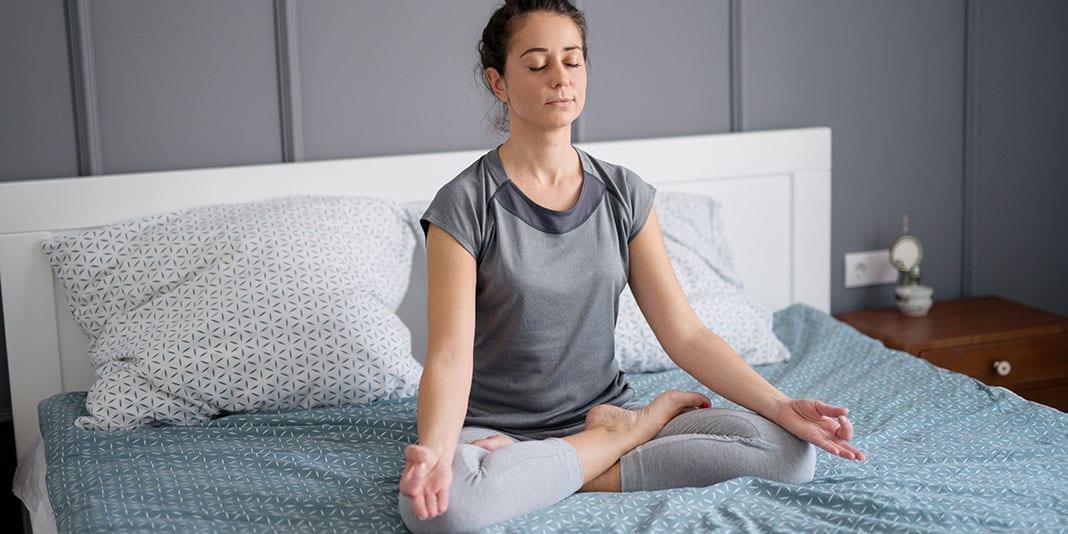
Behavioral treatments include learning to relax, keeping a sleep diary, limiting the time you spend in bed and changing basic lifestyle habits like drinking caffeine after 4pm, exercising in the late evening, or watching TV in bed.
READ MORE: Meditate for Sleep
The American Academy of Sleep Medicine recommends behavioral treatments as a first-line approach and suggests that anyone taking sleep drugs should be educated about and encouraged to try behavioral treatments as well.
“Unlike sleep medications,” Moloney says, “the effects of behavioral therapies are enduring and lack side effects.”
If you’re sleepless in Seattle, the city that never sleeps or any other city, think twice before you pop a pill. Ask yourself whether your sleeplessness is a medical problem or a life problem. By addressing the root of the problem up front, you’ll sleep better and easier than any pill could promise.