

















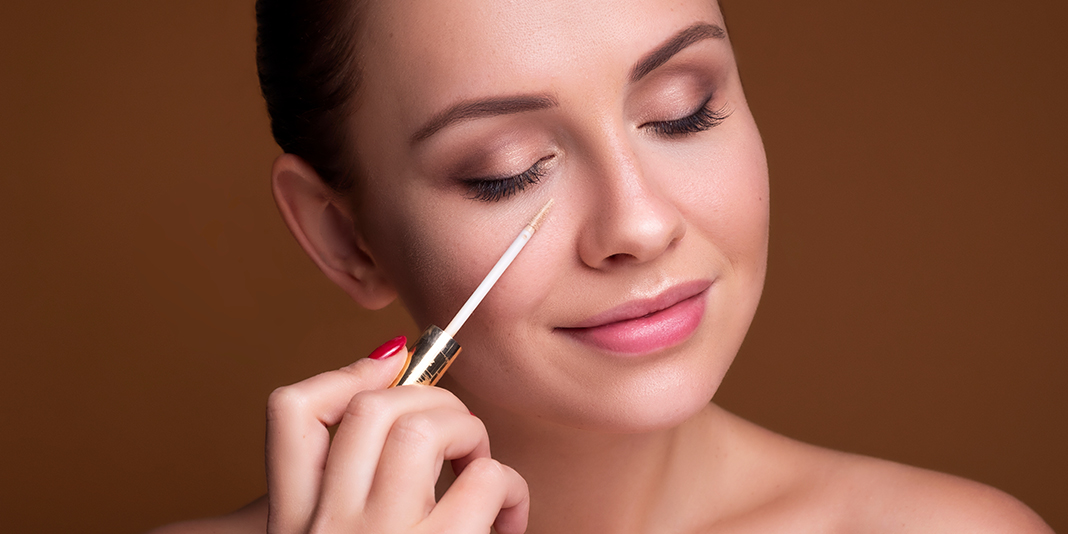








The Basics: Feeling a bit squeamish about acupuncture, which involves inserting ultra-thin needles into the skin to alleviate tension and pain? Check out its close cousin, acupressure, which swaps needles for an acupressurist’s fingers.The gentle pressure stimulates the same key points and pathways, called meridians, that run along the body as acupuncture, providing relief from tension and pain (as well as helping to mitigate these problems before they develop into illnesses) caused by a blockage of qi, or vital life energy, which circulates around the body in healthy individuals, according to Chinese medicine.“Qi and blood are an essential pair, an essential yin and yang,” says Joseph Carter, director of the Acupressure Institute in Berkley, California. “You need qi to build blood, and blood nourishes your qi; they have a circular relationship.”An acupressure session shares techniques with both acupuncture and massage therapy and offers similar benefits, including muscular relaxation, improved circulation and clearing blocked waste to help bring the body back into balance. “An acupressure session should feel good,” says Carter. “If it hurts at all, it will be a release of tension, like tightness in shoulders.”Unlike massage, acupressure places sustained pressure and focused energy on a specific point rather than rubbing over a large area. According to Carter, acupressure is effective at teaching or encouraging the body to make a change, to work in a new way and to bring forward natural self-healing energies, while acupuncture is an ideal therapy for breaking up an old blockage or relieving a chronic problem.You can also perform acupressure on yourself. Carter encourages his students and clients to practice a self-acupressure routine customized to their needs two to three times each day for about three minutes. Acupressure’s benefits are cumulative so it’s important to maintain a sustained practice. The only rare negative effect of acupressure is bruising if too much pressure is applied, says Carter.Scientific Support: While not as widely studied as acupuncture, acupressure has been shown to help a number of health issues, especially those dealing with pain. A 2011 study showed that acupressure on the SP6 acupoint, found at the junction of the liver, spleen and kidney meridians located above the ankle, effectively reduced menstrual pain in the study group of 30 young women. And a 1997 study found acupressure to be effective in preventing postsurgical nausea and vomiting. Complement to Western Medicine: Acupressure can be helpful in reducing common side effects of Western medical treatments, according to Carter. Patients treated with acupressure before and after surgery may find that surgical sites heal faster with less scar tissue. The ancient healing technique also gives patients a sense of empowerment and self-regulation. “Practitioners say that [patients treated with acupressure] are more compliant with treatments and are more focused–and that helps with the healing process,” says Carter. He recommends choosing an acupressurist with a minimum of 100 hours of training.What it’s Best For: Acupressure is especially effective for pain relief, circulatory problems, or skin conditions. It’s also helpful for managing a recurring problem since you can perform the treatment on yourself on a daily basis.The Beauty Connection: “Attractiveness is a combination of physical, mental and emotional health,” says Carter. Acupressure works to balance these three areas by circulating nourishing qi and blood throughout the physical body, offering a time for self-care and mental rest, as well as relaxation. “Health is attractive, according to Traditional Chinese Medicine,” says Carter. “When a person is healthy, their natural radiance is shining forth. This influences both our brain and body chemistry.”The signature acupressure point for beauty is located under the cheekbone, two to three finger-widths under the center of the eye socket. Stimulating this point with gentle pressure enhances facial circulation, relaxes facial muscles, opens sinuses and even regulates appetite because of its location on the stomach meridian. While most of our emotions tend to cause us to tense our facial muscles, acupressure relaxes facial muscles and may even lead to less wrinkling in areas of chronic tension.
LATEST