























You toe the outline of the court with your left foot, racket in one hand, ball in the other. Toss up. Swing back, up, over; shift weight back, then front—pop. Contact. Racket meets ball, ball flies over net, opponent misses, you score.It’s you, court, racket, ball, opponent; nothing else exists. Or maybe it’s you and the pages of a book; you and a set of knitting needles; you and a freshly planted garden; you and the screen you’re filling with computer code. The feeling—a state of fluid focus, total absorption, fulfillment, unawareness of time—can happen with almost any activity. It’s what some call being “in the zone.” It’s what Mihaly Csikszentmihalyi, who has been studying it for decades, calls “flow.”MORE: In the (Happiness) ZoneCsikszentmihalyi’s interest in flow, in fact, goes back very far. He was born in Hungary before the Second World War and, at 10 years old, watched the Soviets invade and the world around him fall to pieces. Hungarians lost their jobs, their homes, their savings, everything. But Csikszentmihalyi noticed that only some people got depressed—“became zombies, almost”—and others were able to deal with the catastrophe.“There are some people that seem to have an inner compass that allows them to weather all of this destruction and loss,” he says. “I didn’t want to end up like the zombie part.”
Studies by CSIKSZENTMIHALYI
From motivation to personality, discover how you can find your flow.Motivation Affects EnjoymentNeuroticism Blocks Flow
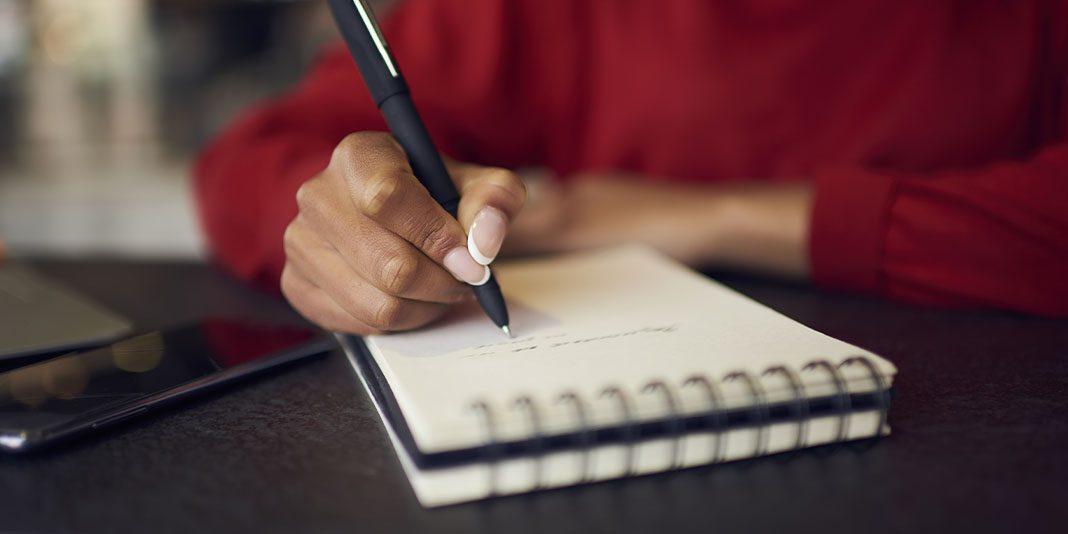
That was the birth of Csikszentmihalyi’s interest in psychology, and contained the central kernel of his work on flow: an awareness that you can focus on life itself—become absorbed in everyday joys—or you can focus on end goals, outcomes: money, status, winning or losing. What enabled people to go the former route instead of the latter, he wondered.COLUMN: How to Find Your FlowIn 1956, Csikszentmihalyi moved to the United States to study psychology, first at a community college and then at the University of Chicago, where he earned his B.A. and Ph.D. Afterward, as a professor at Lake Forest, he began to study activities that adults enjoy for their own sake, not for any secondary gains. “At that point, no one had been studying anything like that,” Csikszentmihalyi says. Psychologists were studying children’s play, but adults’? No way. “Psychology was all about things that go wrong with people and pathology, but nothing about what really makes life worth living or interesting,” he says.Csikszentmihalyi—who now teaches at Claremont Graduate University and runs the Quality of Life Research Center he founded—has since popularized the study of flow and figured out much of what makes such a mindset possible. Though flow-inducing activities can come in any form, Csikszentmihalyi has found that they must be challenging—almost, but not quite, too hard. This ensures that you’re really focused on the task at hand, but you feel capable of completing it, not discouraged. Having clear, step-by-step goals with immediate feedback is another essential flow quality. So, for example, aiming to plant the most beautiful garden in the world? Not flow-inducing. Focusing on each plant and feeling success each time you lay another into the dirt? There’s your flow.COLUMN: Plant This Today for Better HealthSome people have an easier time achieving flow than others. About 10-15 percent of people say they experience flow several times a day; about 10 percent claim they haven’t felt flow at all. Those who fall easily into flow often have “much higher perseverance, lower levels of neuroticism, and high levels of openness to experiences,” Csikszentmihalyi says. “One of the worst things is when you have a high level of self-consciousness—you’re always monitoring what other people think of you and always worrying about what others think you’re doing. That is probably the one thing that interferes most with flow.”It’s not all about personality or psyche, though: you can help yourself achieve flow in a few ways. First, find a buddy. Certain activities are solitary, and if you’re proficient enough to enter a flow state playing chess or writing or cooking, that’s great. But if not, it’s helpful to talk to someone else, to get outside your own head.Beyond that, there’s awareness. “Probably the best thing is to pay close attention to your own life and your own experiences—keep a diary or, day-to-day, ask yourself, ‘When did I feel best today? When did I really like what I was doing?’” Csikszentmihalyi says. “And if you keep that up for a couple of weeks or so and look at what you’ve written down in those two weeks, then you can begin to ask yourself, ‘Is there a way for me to do more of what I feel good about when I’m doing it? What keeps me from doing it?’ And if you find out what keeps you from doing it, try to do less of that. Very often people are very surprised because they don’t realize that there are kind of little moments in their life when they really feel positive about what they’re doing. Sometimes it’s something completely unexpected.”
STUDIES by Csikszentmihalyi
From motivation to personality, discover how you can find your flow.Motivation Affects EnjoymentNeuroticism Blocks Flow
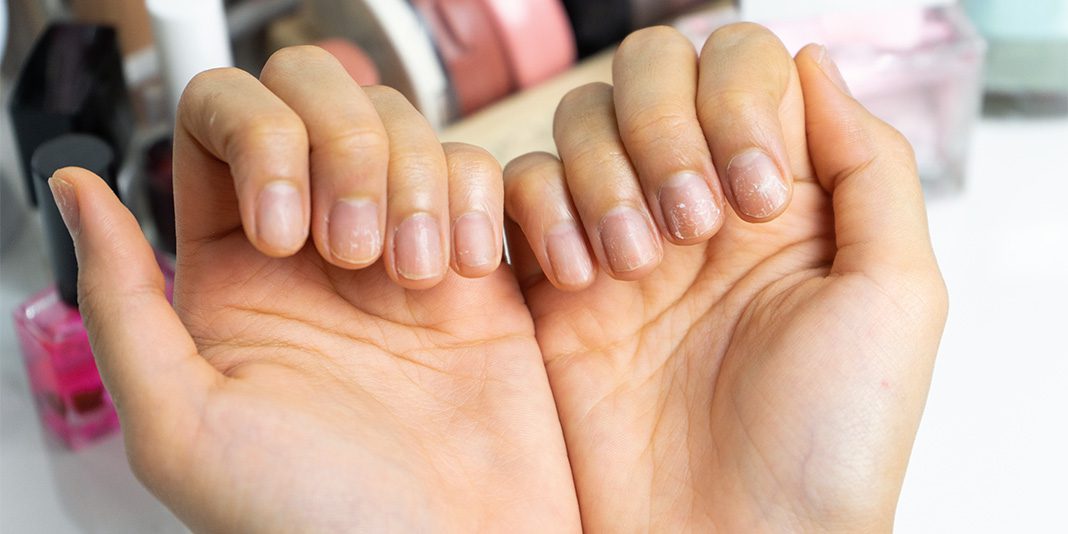
About 20 years ago, Csikszentmihalyi visited a colleague who ran a mental institution in Holland with many schizophrenic patients. One, a 32-year-old woman, had been deemed incurable. Throughout one week, though, she reported two moments during which she felt great. In both cases, she was cutting her nails. The doctors encouraged her to cut the other inpatients’ nails; a couple of months later, she was cutting the staff and doctors’ fingernails, too. About six months later, she left the mental institution to open her own pedicure shop. Mastering this activity—accessing her own flow state—helped her develop an identity.MORE: The Power of BeautyAs a child in Hungary during the Second World War, Csikszentmihalyi found a flow activity of his own, though he didn’t yet know to call it that. “That’s when I learned to play chess, and I learned that when I was playing a game against somebody where I had some chance of winning, it’s not that I felt better, but I didn’t hear bombs falling or things that would normally make me feel bad and I could spend hours doing it,” he says. Now, his research on flow is flow enough for him.“I get that feeling when I start looking at the numbers that come in from studies,” he says. “I start seeing the patterns and getting excited.”