





























A nap should be about fifteen to thirty minutes in duration. If you nap longer than thirty minutes your body lapses into delta, or deep, sleep. Delta sleep is difficult to wake from and if interrupted or just completed, can leave you feeling terribly groggy.
If you are severely sleep-deprived and must nap longer than thirty minutes you should probably extend it to a full hour and a half to complete a sleep cycle. But don’t expect to be fully alert until at least an hour after the nap. Your nocturnal sleep time is likely to be shorter after a long daytime nap. Count the time spent napping as part of your total sleep quotient.
Reasons to Nap
Reduce Stress: Siesta-loving Europeans and Latin Americans are more relaxed. They usually score better on stress tests than North Americans.
Heart Healthy: The risk of heart disease is shown to be greatly reduced by regular thirty-minute naps.
Attention! Naps greatly strengthen the ability to pay close attention to details and to make critical decisions.
Sleep Less: Naps taken about eight hours after you wake have been proven to do much more for you than if you added those twenty minutes onto already adequate nocturnal sleep.
Dr. Jeffrey Midgow contends that the body only needs about fifteen minutes to nap because it “is a very resilient system that doesn’t need much more than to rejuvenate. If you take time to turn the nervous system off the whole system recharges.” Your mood will improve, as will your alertness.
If you are going to nap in the middle of the day, be consistent and make a habit of napping every day. An irregular napping schedule might disrupt your internal body clock and nocturnal sleep pattern. Napping only on the weekends is like dieting or exercising only on the weekends to make up for a week of overeating and not exercising—it doesn’t work.
Brief naps taken daily are far healthier than sleeping in or taking very long naps on the weekend. If you nap too long on Sunday afternoon to catch up from your week’s hectic schedule, you’ll have trouble getting to sleep that night. This shifts your biological clock, making it difficult to get up in time on Monday to start the new work week.
You might have to work through your mid-afternoon period of drowsiness because there is no time or opportunity for a nap. After this you might feel increased alertness, especially if you’re doing something interesting. This is because your clock-alerting circadian rhythm has passed its low point and is beginning to rise again. However, don’t think this second wind means you’re not still prone to an unexpected sleep seizure. You haven’t repaid any previous sleep debt. If you start doing something sedentary, like driving a car or watching television, you could suddenly fall asleep.
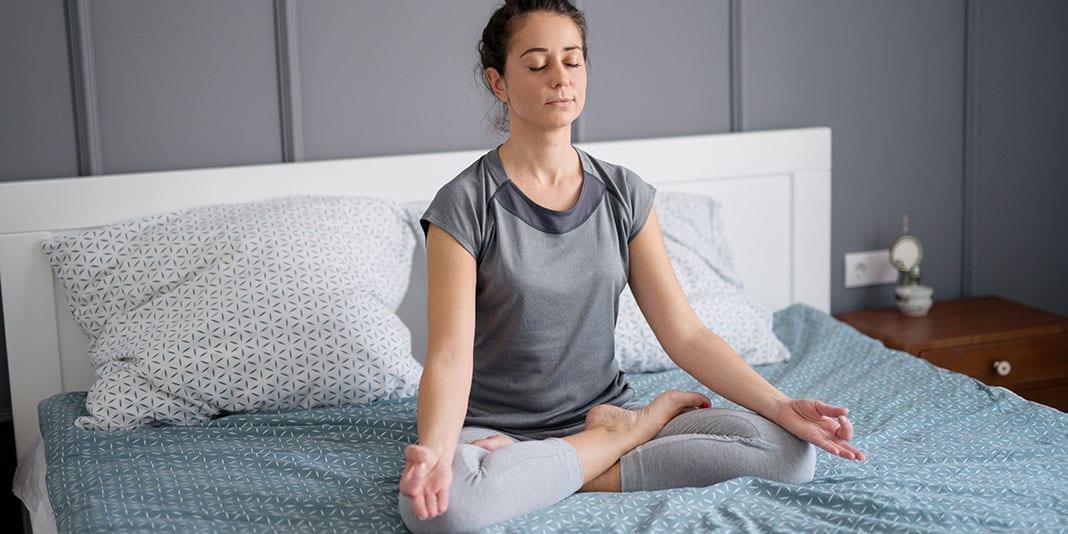
Late-afternoon napping isn’t healthy. It delays your falling asleep time in the evening and begins to shift your biological clock, making getting up in the morning a struggle. Senior citizens who have nocturnal insomnia should refrain from napping at all. It will only make things worse. Better to be exhausted in the evening and get a long, continuous nocturnal sleep. You might want to take a mid-afternoon nap but can’t seem to fall asleep. If that’s the case, don’t worry. Maybe you’re not overly sleep-deprived in the first place; or you might be too stressed or stimulated to nod off. Just the act of relaxing meditating or lying down with your eyes closed will be beneficial in restoring energy.
Prophylactic Napping
Napping makes it possible to deposit needed assets in your sleep bank account. If you know you’ll be going to bed late on a given night because of travel or evening social events, take a preparatory nap that day. These prophylactic naps can be two to three hours in duration and are effective in providing additional hours of alertness that night. You’ll feel a bit groggy about 30 minutes following a long nap. That’s called “sleep inertia,” but it will soon give way to feelings of alertness.
Researchers have demonstrated that when people napped in preparation for an all-nighter, their performance the next day was superior to that of those who did not take the prophylactic nap. In fact, they were 30 percent more alert and optimistic than people who did not nap. When you take a long nap, remember that your nocturnal sleep will be reduced by the amount of shut-eye that you got that day.
Napping for fifteen minutes every four hours, for a total of one and half hours sleep per day, first suggested by Leonardo da Vinci, is often used by solo sailors on long voyages and for those performing long hours under emergency circumstances (fire and earthquake rescue, for example).As a stopgap measure it seems to work for short periods of time.