




































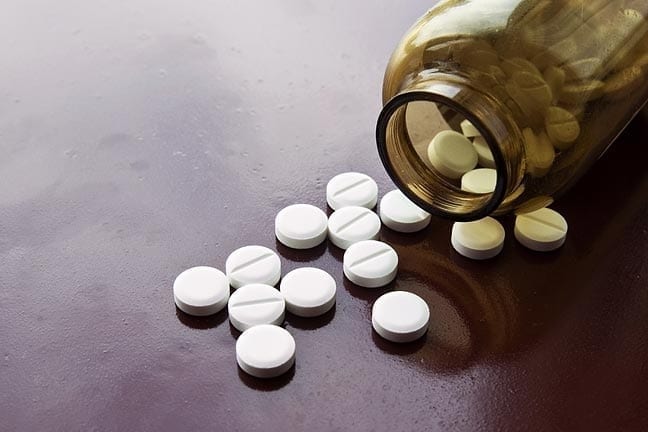
Aspirin: One of Our Oldest MedicinesIn about 400 BCE, Hippocrates (considered the father of medicine) first described the use of the bark of the willow tree to relieve headache and reduce fever. Willow bark contains salicylic acid, a close chemical cousin to modern aspirin. Twenty centuries later, in 1897, German chemist Felix Hoffman improved on this herbal remedy when he synthesized a derivative, acetylsalicylic acid; his employer, Byer AG, named the new medicine aspirin.Used primarily as a pain reliever, aspirin soon became one of the world’s most successful medications. The cardiovascular benefits of aspirin were not described until the 1960s, when British scientist Sir John Vance determined how aspirin can prevent heart attacks; he received the Nobel Prize for this important discovery.Today, 50 million Americans take an aspirin every day, hoping to stave off heart attacks and improve heart health. Their intentions are good, but for many aspirin-related complications erase potential benefits. A daily aspirin is not for everybody.VIDEO: The 4 Heart Attack Warning SignsHow Does Aspirin Prevent Heart Attacks?Aspirin reduces the tendency of blood to clot by reducing the “stickiness” of platelets. Because nearly all heart attacks and many strokes are caused by formation of blood clots in arteries, aspirin can reduce their occurrence.The effect of aspirin on platelets and blood clotting occurs at a very low dose, much less than that required for pain relief. The typical dosage used in heart patients is 81 mg (one baby aspirin) given once a day. The anti-clotting effects of aspirin last for the entire life span of the platelets, which is about one week. The effect disappears only as new platelets are manufactured in the bone marrow.MORE: Manage Stress to Fight Heart DiseaseAspirin in the Heart PatientWith its effect on blood clotting, aspirin is a key medicine for the heart patient. Virtually all patients with established coronary heart disease should take a baby aspirin every day. Solid scientific studies prove that in these individuals, aspirin reduces the risks of heart attack and stroke by about 20 percent.If a patient has had coronary artery bypass surgery, stenting or have blockages in the arteries of the heart (coronary arteries), neck (carotid arteries) or legs, a daily aspirin is a must. The only exceptions are those people who have bleeding problems—like an active stomach ulcer—that could be aggravated by the blood-thinning action of aspirin.Aspirin is particularly important in the patient who is suffering an acute heart attack. If you develop chest pain that does not go away after a few minutes, call 911 and then chew an uncoated aspirin. Don’t use an enteric-coated aspirin in the setting of a suspected heart attack; coated aspirin enters the blood stream slowly. When a heart attack is beginning, you need aspirin in the blood immediately.You Don’t Have Heart Disease: Do You Need Aspirin?The use of aspirin in people without known heart disease is controversial. Proponents point to the finding that aspirin can cause a small reduction in cardiovascular risk among apparently healthy people. This is true, but there is a problem.Heart attacks in otherwise healthy people are relatively uncommon, meaning that there aren’t many events for the aspirin to prevent. For every 10,000 apparently healthy people treated with aspirin for one year, there would be six fewer major coronary events and two fewer strokes due to blood clots. But these benefits would occur at the cost of one additional stroke due to bleeding into the brain and three other episodes of serious bleeding. These risks mean that aspirin is not for everyone.We recommend aspirin for those without known heart disease only if they have multiple risk factors. If a person smokes and has diabetes and high blood pressure, we might include aspirin in the treatment plan (along with exercise, diet and smoking cessation). But we would avoid aspirin in the apparently healthy person who does not have such risk factors.MORE: History of Heart Disease in Your FamilyAspirin and Cancer PreventionThese days you can’t discuss aspirin without mentioning its potential roles in cancer prevention and treatment. Several studies suggest that aspirin therapy is associated with a reduced risk of developing cancer and may even retard the spread of certain cancers. At this point, we don’t have enough scientific data to recommend aspirin as a general strategy for cancer prevention.To date, the evidence is strongest for a role for aspirin in the prevention of colon cancer. It is reasonable for those at high risk for colon cancer to take a daily baby aspirin. This includes those with a personal history of colon cancer or pre-cancerous colon polyps and those with a strong family history of colon cancers.The Bottom Line on AspirinMore than a century old, aspirin remains one of our “big guns” in cardiology. But it is not for everyone. Scientific studies involving thousands of patients tell us who should take a daily aspirin for cardiovascular health.Take a Baby Aspirin Each Day
- History of heart attack, coronary artery stent or angioplasty, or bypass surgery
- Known coronary artery disease (blockages in arteries of the heart)
- Angina (chest pain with exertion or exercise)
- Blockages in other arteries of the body (legs or neck)
- History of certain type of stroke (ischemic stroke)
- History of transient ischemic attack (TIA, or mini-stroke)
If you don’t have one of these conditions, don’t take aspirin until you discuss it with your doctor.MORE: Heart Attacks—The Difference Between Guys & Gals