
































Wheat is the Jekyll and Hyde of the grain world. While the ubiquitous grain is nutritious to most of us (it’s packed with fiber and B vitamins), wheat is downright dangerous to the 1 percent of the population with celiac disease.When it comes to skin, wheat gluten is known to cause an irritating rash called dermatitis herpetiformis in celiac sufferers (along with severe stomach pain and a host of intestinal problems) and the gluten intolerant, but a new book, “Wheat Belly,” suggests that wheat’s harmful effects on the skin could be broader, extending to the rest of us wheat-eaters.
READ MORE: Risky Business: Most Cosmetics Don’t Specify Gluten
Might the whole grain praised for its health benefits be a secret skin saboteur?We asked the experts to weigh in on the wheat-skin connection. What we found may complicate your next bite of toast.Diet isn’t one size fits all, and the food that makes you healthy and radiant could trigger an itchy rash or an outbreak of blemishes (not to mention a killer stomach ache) in your friend. Wheat appears to pose little issue for most of the population, but for a growing number of people who may have a wheat allergy or gluten intolerance, eating a bowl of cereal or a slice of whole wheat bread could be a major beauty blunder.
READ MORE: Inflammation: Skin Enemy Number One
Wheat is one of the top eight most allergenic foods, according to the Mayo Clinic, and allergic reactions are prone to show up on our skin. But surely you’d already know if you had a wheat allergy? In “Wheat Belly,” Wisconsin-based cardiologist Dr. William Davis suggests that beyond gluten intolerance, wheat allergies are difficult to pinpoint, even with a blood test.“
Easily more than 80 percent of the population has problems with some component of wheat, gluten and otherwise,” estimates Davis. “Many of the components of wheat that cause [allergic reactions] have no blood tests to identify.” In Davis’ experience, an elimination test is the best way to indicate a wheat allergy. “It’s hard to quantify, but people look better [wheat-free].
For example, I have a patient who has a flushed, red face with big, puffy bags under eyes. She goes wheat-free and within one to two weeks that flushed redness has receded, the puffiness has disappeared and the bags have improved dramatically. There’s no study on this but I’ve seen it happen over and over and over again,” says Davis, who admittedly advocates the extreme: that we eliminate all wheat from our diets.
READ MORE: Banish Breakouts Forever
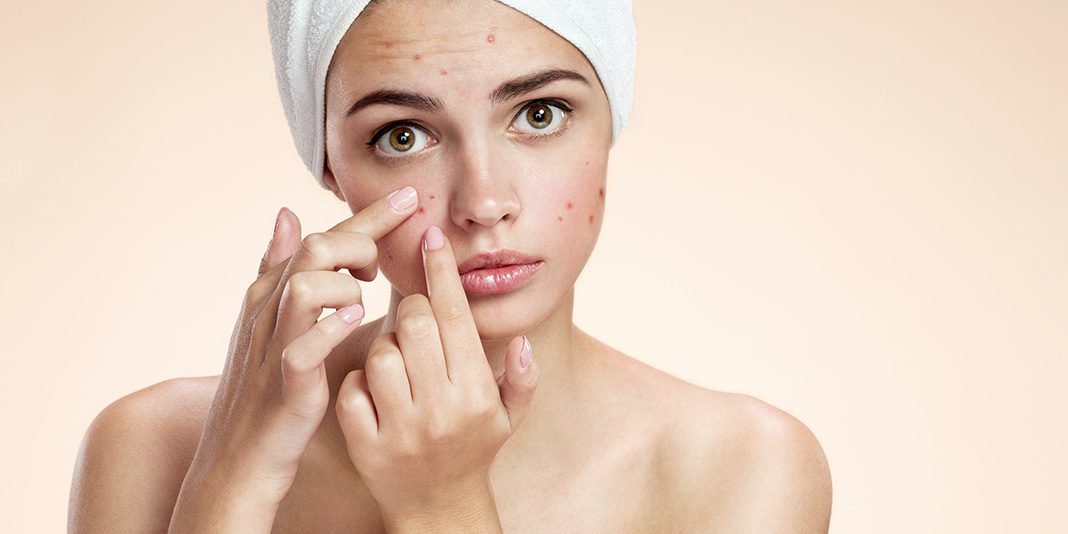
Still others tout wheat as a skin-friendly choice, thanks to skin-supporting minerals like zinc and the high level of antioxidant vitamin E, found particularly in wheat germ. The most reasonable explanation for this divide may be that it all comes down to your personal relationship with the grain.Beyond dermatitis herpetiformis, acne, hives, psoriasis and atopic dermatitis are common allergic reactions to wheat. And for some, identifying a wheat or gluten allergy can be the missing link to clear skin. It appears that when the body views wheat or gluten as an allergen, it may become inflamed and experience difficulty with nutrient absorption, both of which can lead to skin issues.“It was a nightmare figuring out what was aggravating my skin,” says Amie Valpone, Culinary Nutritionist for The Healthy Apple who was diagnosed with a gluten intolerance. “I was on Accutane. I had big,red, cystic acne. My skin was terrible. About a month after I cut the gluten out my skin looked totally fine. Now people tell me I look so much younger than I used to.”
VIDEO: How to Deal with Aging Skin
But beyond personal experience, there’s still a lack of scientific evidence. “[Wheat and gluten’s] connection with acne and eczema is not so clear,” says Valori Treloar, M.D., a Newton, Massachusetts dermatologist. Yet another possibility is that wheat may aggravate existing autoimmune conditions, but not be the real culprit in skin issues. “It’s not to say that all skin rashes and conditions are caused by wheat. Many are not. But an incredible number are,” says Davis. “It’s important for the consumer to be aware that wheat and/or gluten and skin conditions is a very common association.”
READ MORE: The Dark Side of the Gluten-Free Diet
And it turns out that even if you have flawless skin and no wheat allergy, you may want to look closely at the type of wheat products in your diet for the sake of your skin. “Wheat, with its uncommonly high glycemic index, triggers higher blood sugar than nearly all other foods, thereby triggering insulin more than nearly all other foods” says Davis. However, 100 percent whole wheat bread has a much lower glycemic index than more processed breads and triggers a more moderate blood sugar response.Elevated insulin is linked to increased sebum production that can clog pores and lead to breakouts. What’s more, “Wheat can exert age-advancing skin effects, such as wrinkles and lost elasticity, through the formation of advanced glycation end products [AGEs].” An accumulation of AGEs in the body leads to visible signs of aging.
VIDEO: Understanding Celiac Disease
Still, there are many variables to consider before you blame wheat for your fine lines. “The glycemic load of the wheat is affected by its form, preparation and the foods that accompany it when ingested,” Treloar explains. “If you eat white bread with nothing else, the blood sugar and insulin response will be fast and high. During that time, the sugar can bind to certain amino acids in collagen [the structural protein in the skin] and cause distortion in the structure and function of the collagen. It becomes an AGE.” But wheat is just one of the foods that raises insulin levels and leads to AGE formation. Sugar and refined carbs do the same, and, ironically, many wheat-free bread products made with corn, rice and potato do not provide much greater blood sugar stability.
So where does that leave us, and our next sandwich?Those struggling with unexplained acne or rashes may want to explore a possible connection to wheat. But the rest of us will have to decide, from meal to meal and bite to bite, whether wheat is our skin’s friend or foe.
READ MORE: How to Talk to Your Doctor about Food Allergies