





















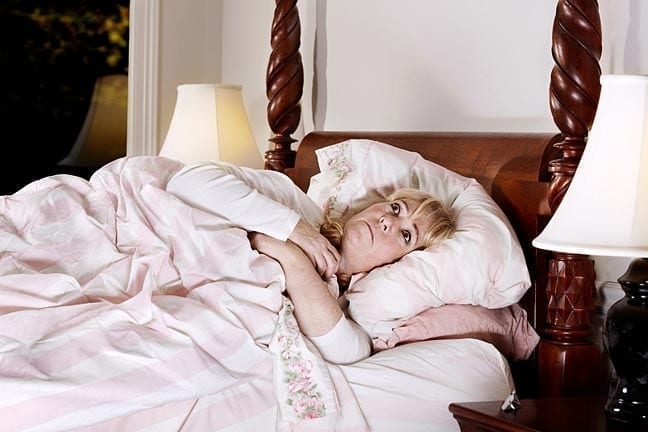
Beyond puffy eyes, under-eye circles that go on for days and that “Don’t even look at me unless you have coffee” demeanor, insomnia can raise your risk for more serious health conditions, like a heart attack.
- Have difficulty falling asleep? You have a 45 percent greater risk of heart attack compared to those who konk out with ease.
- Find it impossible to stay asleep? You’re 30 percent more likely to have a heart attack than people who sleep through the night.
- And finally, if you wake feeling tired and unrested, you have a 27 percent higher risk of heart attack than people who start the day feeling refreshed.
QUIZ: Are You Getting Enough Sleep?These findings, reported in a recent Norwegian study, are just the latest in a slew of research that has shown the negative effects insomnia has on the body’s cardiovascular system. From high blood pressure and inflammation to stroke and heart disease, it’s clear that catching enough z’s is important for a healthy body, but what’s not as clear is the definition of insomnia and whether or not those one or two sleepless nights fit the bill.How to tell if it’s insomnia“Technically, insomnia is defined as either not being able to get to sleep in the first place or not being able to get back to sleep after waking up,” according to the YouDocs, Dr. Oz and Dr. Roizen. While acute episodes of insomnia can last for a few days, chronic insomnia lasts for at least a month and can continue to occur for years.MORE: Sleep Affects Your SkinWhat’s important is being able to identify sleep problems early before they develop into a chronic condition. Whether you have trouble falling asleep, staying asleep or you wake up feeling tired and unrested, characteristics of insomnia vary for each individual.Stress, certain medications, diet and exercise are all factors that can affect your sleep cycle. Take this quiz to find out if you’re getting enough shut-eye at night and then check with your doctor to find out best practices to regulate your sleeping patterns. Your heart will thank you.MORE: Lose Weight While You Sleep