




























If you were faced with the prospect of donning an unforgiving, figure-hugging Catwoman suit on the big screen, you might think about tightening up your eating habits.That’s exactly what actress Anne Hathaway did, who rocks a slim and toned physique in the new Batman film, “The Dark Knight Rises,” which premiers this Friday. To get in meow-worthy shape, Hathaway teamed up with nutrition coach Jackie Keller and her team at Nutrifit. Together, they developed a plan to help the already-slim star look leaner and more toned.MORE: Can Certain Foods Speed Up Weight Loss?“Anne came to us as a vegetarian who skewed towards vegan—besides meat, she doesn’t eat cheese, eggs or fish,” says Keller. “So we engineered a diet that would get her to her goal without affecting her eating preferences.”But this was no celebrity starvation diet just so Hathaway could slip on the slinky suit. Instead, the eating plan focused on healthy, anti-inflammatory foods—namely, foods high in antioxidants, which help fight inflammation and free radicals in our system.
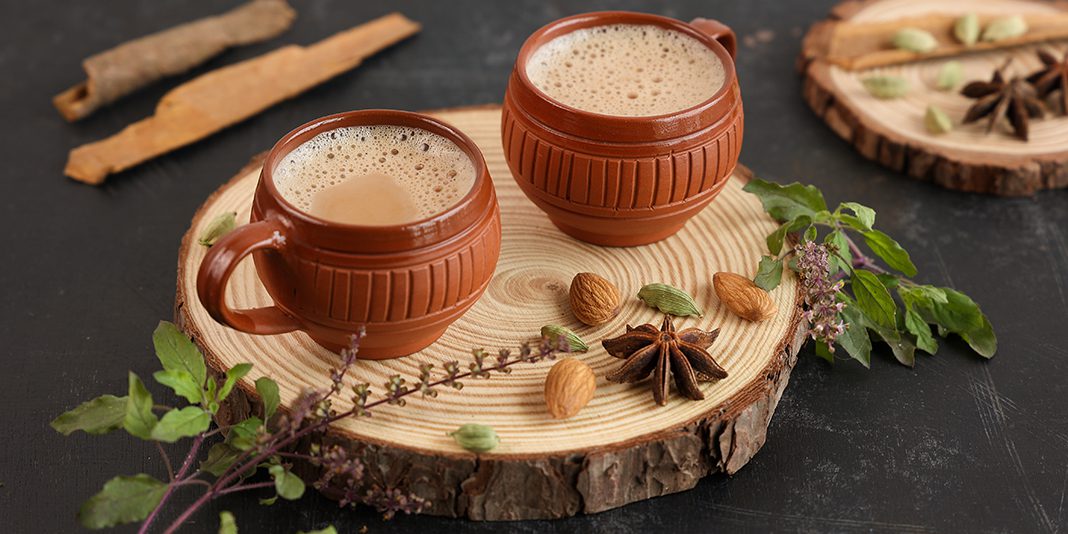
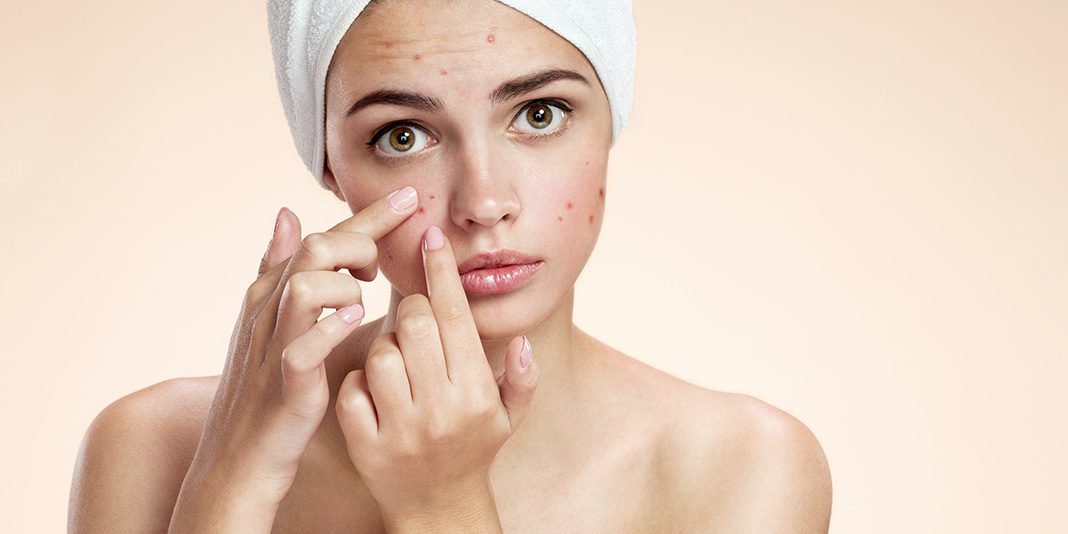
Reducing inflammation in your body can not only help keep you healthy, but can also give you a beauty boost. “Many anti-inflammatory foods contain healthy fats that contribute to your skin’s natural oil barriers,” says Keller. “If you don’t have enough of those fats, the skin can produce a more irritating form of oil and wreak havoc on your otherwise glowing face.”MORE: Going Meat-Free? Get Iron-SavvyInterested in trying out Hathaway’s healthy eating regimen? Here’s an easy guide to Keller’s anti-inflammatory plan.Avoid these foods, which can trigger your body’s inflammatory response:• Refined grains, such as white bread and white rice• Red meat, or any meat that’s high in saturated fat• Sugars/sweets• Processed foods• Nightshade vegetables, including onions, potatoes, eggplant, tomatoes and peppers. For some people, like Hathaway, this type of vegetable can cause inflammation, according to Keller.MORE: The Anti-Inflammatory Diet, Made EasyEat these foods, which can help your body combat inflammation: • Fish. Hathaway doesn’t eat fish, but if you do, load up on fatty fish such as salmon and sardines. They contain fatty acids that help your body fight inflammation.• Olive oil. Even a small amount of olive oil gives you a hefty dose of monounsaturated fat, which wards off inflammation.• Peanuts and peanut butter. Not only do they contain healthy fats, but peanuts and peanut butter are also great sources of protein if you don’t eat meat.• Almonds. A Hathaway favorite, these nuts are chockfull of good-for-you fats.• Dark chocolate. Yes, chocolate is on this list! In fact, research shows that regularly eating dark chocolate helps reduce inflammation.• Colorful fruits and veggies. Eat the rainbow. Stock up on antioxidant powerhouses such as kale, carrots, blueberries and raspberries.• Cherries. “These red fruits significantly reduce inflammation because they contain potent antioxidants called anthocyanins,” notes Keller.• Turmeric and ginger. Both of these spices contain powerful anti-inflammatory compounds.